

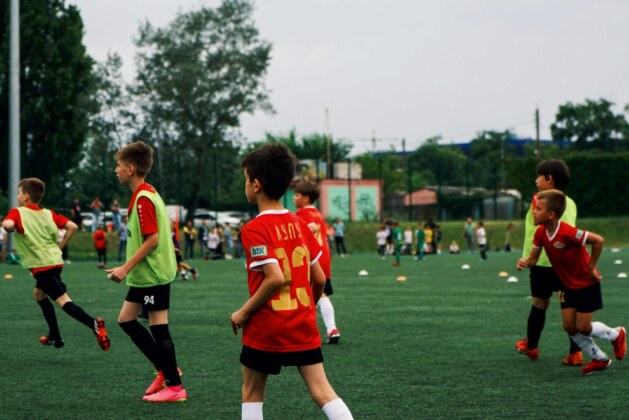
Youth Sports: Benefits and Concerns
Youth sports offer kids something genuinely valuable — physical activity, friendships, and skills that stick with them long after the final whistle. But growing concerns about overspecialization, injury, and the pressure cooker some young athletes find themselves in have parents and coaches taking a harder look at how youth sports actually operate.
The physical benefits alone make a strong case for getting kids involved. At a time when childhood obesity and sedentary screen time are real problems, sports give children a reason to move — regularly and with purpose. They build strength, cardiovascular fitness, and motor skills that lay a foundation for health well into adulthood. There’s a mental health dimension too. Physical activity and social connection together can meaningfully reduce anxiety and depression in young people.
Team sports, specifically, teach kids things that are hard to learn anywhere else. Working alongside others, communicating under pressure, resolving conflict — these aren’t abstract lessons but lived experience. Athletes learn humility when they lose and how to carry themselves when they win. Friendships formed on a field or court can be some of the deepest a kid makes, and the leadership skills developed by stepping into different roles on a team follow people into their careers and relationships for decades.
The darker side of youth sports tends to center on specialization. Parents and coaches who push kids to focus exclusively on one sport, year-round, from a young age are actually undermining what they’re trying to achieve. Young athletes in single-sport environments suffer more overuse injuries and burn out faster. Research consistently shows that most elite athletes played multiple sports growing up — specialization, when it makes sense at all, belongs in mid-to-late adolescence, not childhood.
Parental pressure is its own problem. Some parents become so invested in their child’s athletic future that they lose sight of whether their child even wants it. Club teams and travel leagues can drain family finances and consume weekends entirely. And the sideline behavior — screaming at referees, taunting opponents — poisons the experience for everyone, especially the kids. Youth sports work best when the goal is enjoyment, healthy competition, and skill-building, not a path to a college scholarship or professional contract.
Coaching matters more than most people realize. A good coach teaches technique, models character, and makes kids feel capable. A poor one leaves lasting damage, both physical and psychological. Better certification requirements and training in age-appropriate development and positive coaching methods would go a long way toward raising the quality of youth sports across the board.
When youth sports get the balance right — competition without obsession, winning without losing sight of enjoyment and growth — they’re one of the better things available to young people. The goal should always be the child’s development, not the scoreboard.


Leave a comment