
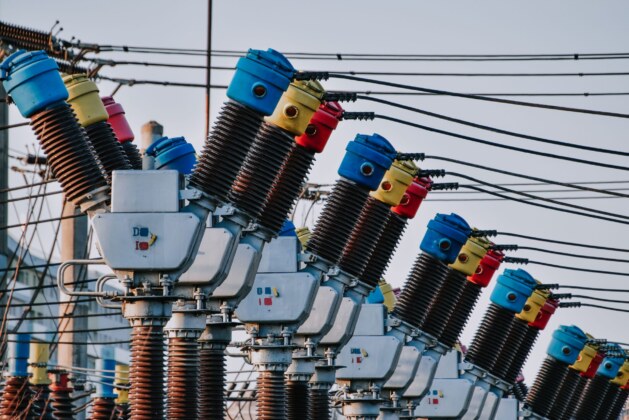
It is hard to explain to someone who has not lived through it just how much load shedding has changed daily life in South Africa. For years — peaking between 2022 and 2024 — South Africans endured rolling power cuts that could last anywhere from two to twelve hours a day. Schedules were published by the utility Eskom so people could plan around the darkness, which became, in a grim way, its own form of normalcy. You checked the schedule the way you check the weather. You planned meals around it, charged your devices before the cut hit, and kept candles in every room.
The economic cost was immense. Small businesses that could not afford generators closed down or operated at a fraction of their capacity. Factories lost productivity. Hospitals struggled. Clinics that needed refrigeration for medicines were compromised. The South African Reserve Bank estimated the economic damage in the billions of rands per year. Formal employment, already devastated by a decade of slow growth and high unemployment, suffered further.
But load shedding was also, fundamentally, a political story. Eskom, the state-owned electricity utility, did not collapse by accident. It collapsed because of years of mismanagement, alleged corruption in procurement, deferred maintenance, and a bloated wage bill that left the utility financially crippled. The rot was deepest during the Zuma years, but the problems predated him and outlasted his departure.
For the governing ANC, load shedding became the most visible and most personal symbol of government failure. Every power cut was a reminder, in the darkness of your own home, that those in charge had not kept a basic promise — the promise that the lights would stay on. Polls consistently showed it as one of the top concerns of South African voters, and its effects are widely credited as a significant contributor to the ANC’s poor showing in the 2024 election.
Ramaphosa’s government eventually declared a national state of disaster over load shedding and appointed a minister responsible specifically for resolving the crisis. New generation capacity — including independent power producers and a more diversified energy mix — was accelerated. By mid-2024, load shedding had eased significantly, and periods of zero cuts became increasingly common after more than a year of near-constant disruption.
But the political damage had already been done. And the question of accountability — who would be held responsible for the billions lost, the infrastructure neglected, the procurement scandals — remained largely unresolved. Some officials were dismissed. Some faced investigation. But the sense among many South Africans was that the system had protected itself, that genuine accountability remained elusive, and that the people who had suffered through years of darkness in their homes and businesses had never received a proper reckoning.
Energy policy remains contentious. The question of how South Africa transitions to renewable energy while protecting jobs in coal-dependent communities is not a technical question — it is deeply political, touching on regional loyalties, labor rights, and the country’s economic future. The unions that anchor ANC support in mining provinces are deeply wary of rapid transitions that could cost their members jobs.
What load shedding revealed, at its most brutal, was the gap between what a government promises and what it delivers — and how quickly that gap can become a chasm that voters feel compelled to cross. The lights came back on. Whether trust can be fully restored is a slower and less certain process.





Leave a comment