
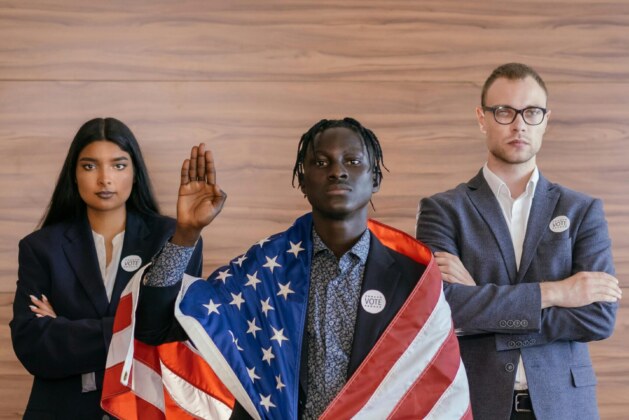
Voters are frustrated, turnout models are unpredictable, and both parties are struggling to find a winning message.
Every two years, American voters have the chance to course-correct. The midterm elections of 2026 are shaping up to be one of the most consequential in recent memory — not necessarily because any single transformative issue is dominating the race, but because of something subtler and, in some ways, more interesting: neither party seems quite sure what it wants to be.
Republicans head into the fall with control of the House and a narrow Senate majority. Historically, that’s a tough position to defend. The party in power tends to absorb blame for whatever’s going wrong — inflation, crime, foreign policy stumbles — and the opposition benefits from the accumulated frustration of voters who feel things aren’t working.
But this cycle, the historical patterns are murkier than usual.
Inflation has moderated significantly from its peak, but prices remain higher than they were five years ago, and voters have long memories about grocery bills. The economy is growing, unemployment is low, and wages have risen — but surveys consistently show that many Americans feel economically anxious in ways the headline numbers don’t fully capture. ‘The GDP looks fine,’ said economist Dr. Renata Cruz of the Brookings Institution. ‘But a lot of people are one bad month away from real trouble. That feeling doesn’t go away because the statistics say things are okay.’
Democrats are hoping to capitalize on what they see as Republican overreach — particularly on abortion. The 2022 Dobbs decision remains a live political issue, with state-level abortion bans continuing to generate stories of women denied medical care in emergencies, and polling showing most Americans favor abortion access in at least some circumstances. Democrats ran effectively on this issue in 2022 and 2024. Whether it can carry the same weight in 2026 is an open question.
‘The challenge for Democrats is that voters don’t vote on a single issue,’ said political scientist Dr. Obi Mensah of Howard University. ‘They vote on a feeling. And the feeling right now is complicated — there’s anxiety, there’s frustration, there’s a sense that things aren’t quite right even when they can’t name exactly what’s wrong.’
Republicans, for their part, are betting on immigration and crime. Both issues poll well for the party in the abstract. But in practice, crime rates in most American cities have declined over the past two years, and immigration — while still a hot-button issue — seems to generate more heat in Washington than in the suburban districts that actually decide elections.
There’s also the wild card of candidate quality. Both parties have struggled in recent cycles with primary processes that produce nominees appealing to the base but less competitive in general elections. Several competitive districts this year feature candidates who have made statements that could become fodder in the fall — and both parties’ campaign committees are watching nervously.
Turnout is perhaps the biggest unknown. Young voters, who showed up in unexpectedly high numbers in 2020 and 2022, are a source of anxiety for Democrats amid signs of disengagement among some demographics. Republicans are investing heavily in voter registration efforts in states that traditionally favored Democrats.
What emerges from November could look very different depending on which way a handful of key states break. A Republican pickup of even a few Senate seats could lock in a governing trifecta that shapes policy for years. A Democratic comeback in the House would create gridlock — or, depending on your perspective, a useful check on executive power.
Either way, the country is unlikely to feel more unified on November 4th than it does today. The question is which kind of division it will be living with.





Leave a comment