 admin
admin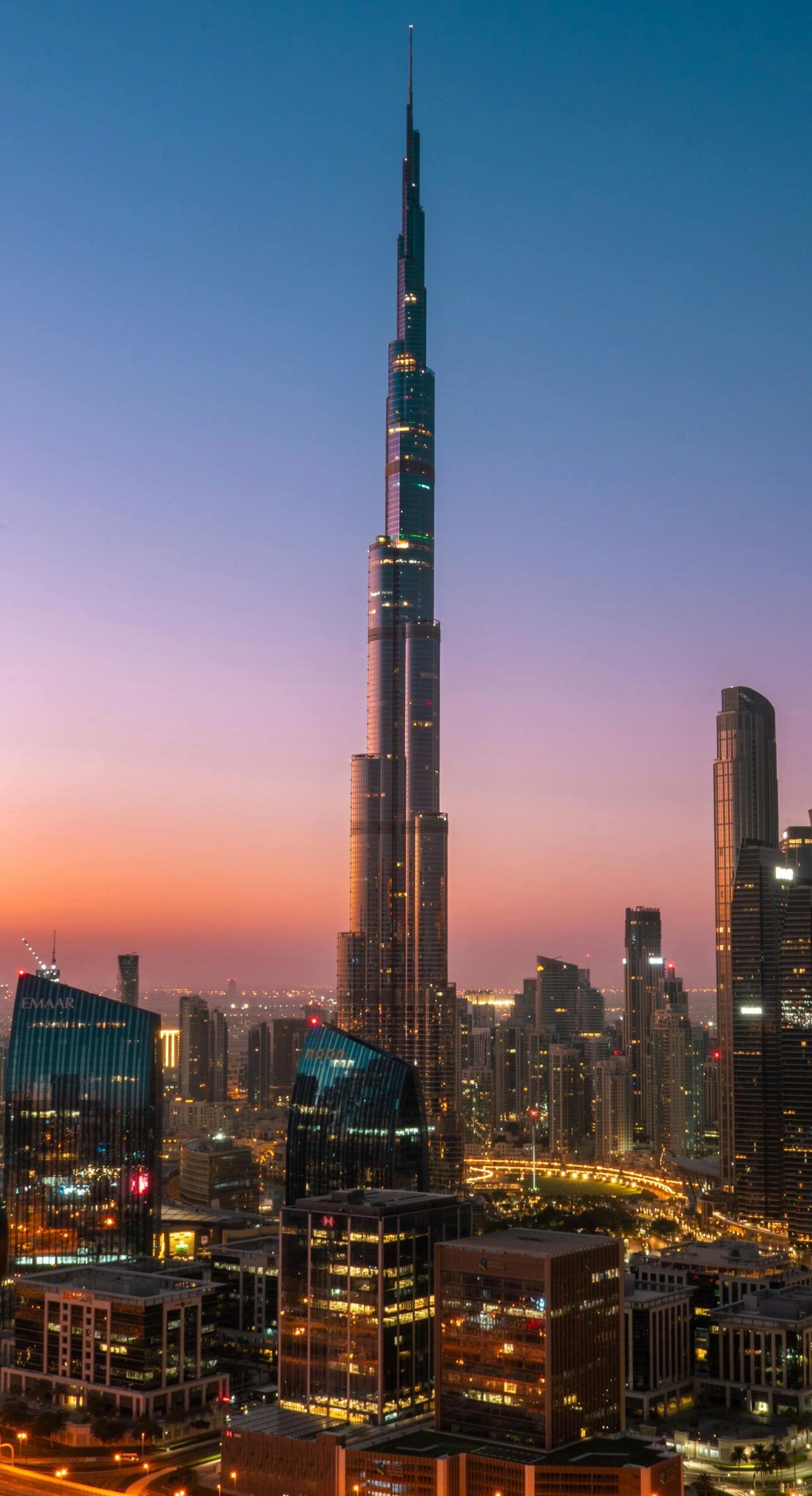
The world’s skylines are being reshaped by a new generation of supertall buildings that challenge not merely engineering limits but the fundamental economic assumptions that have governed urban real estate development for more than a century. Structures exceeding five hundred meters in height are no longer vanity projects or engineering experiments; they are sophisticated economic instruments that create entirely new categories of urban real estate while fundamentally altering the relationship between land value, building height, and urban density. The economics of supertall construction have reached a tipping point that is transforming the financial logic of urban development in dense metropolitan centers worldwide.
Traditional real estate economics holds that building height follows a curve of diminishing returns: as structures grow taller, the per-floor cost of construction increases due to structural requirements, wind resistance measures, elevator shaft consumption of rentable space, and increasingly complex mechanical systems. At some height, the marginal cost of adding another floor exceeds the marginal revenue it generates, establishing an economic ceiling on building height that is independent of engineering capability. For most of the twentieth century, this ceiling effectively limited commercial development to heights well below what engineers could achieve, concentrating supertall construction in the prestige-driven trophy tower segment where economic rationality was secondary to corporate image.
Recent innovations in structural engineering, construction technology, and building systems have dramatically altered this economic equation. Advanced concrete formulations that can be pumped to unprecedented heights have reduced the structural cost premium of extreme height. High-speed elevator systems that use multiple cars in single shafts have recovered rentable floor space previously consumed by conventional elevator banks. Modular construction techniques, in which building components are manufactured off-site and assembled at height, have shortened construction timelines and reduced the carrying costs of capital invested in supertall projects.
The most significant economic innovation, however, is the concept of the vertical city: a supertall building designed not as a single-use tower but as a self-contained community incorporating residential units, office space, retail areas, recreational facilities, hotels, and public amenities within a single structural envelope. These vertical cities generate revenue from multiple sources simultaneously while creating internal synergies that increase the value of individual components. Residents pay premiums for the convenience of having restaurants, fitness centers, medical clinics, and childcare facilities within elevator reach. Office tenants value the prestige and talent-attraction advantages of addresses in architecturally significant buildings with world-class amenities. Retail operators benefit from captive customer bases that number in the tens of thousands.
The implications for urban planning and municipal finance are equally significant. Vertical cities concentrate enormous amounts of taxable property value on tiny parcels of land, generating per-acre tax revenues that exceed those of conventional development by orders of magnitude. They reduce pressure on transportation infrastructure by allowing residents to live, work, and recreate without leaving the building, potentially alleviating the congestion that plagues every major city. Critics argue that vertical cities risk creating isolated enclaves that withdraw wealthy residents and workers from the surrounding urban fabric, hollowing out street-level activity and creating dead zones around their bases. The most thoughtful supertall developments address this concern through careful ground-level design that integrates the building with its neighborhood through public spaces, retail frontages, and cultural amenities accessible to the broader community.