
 admin
admin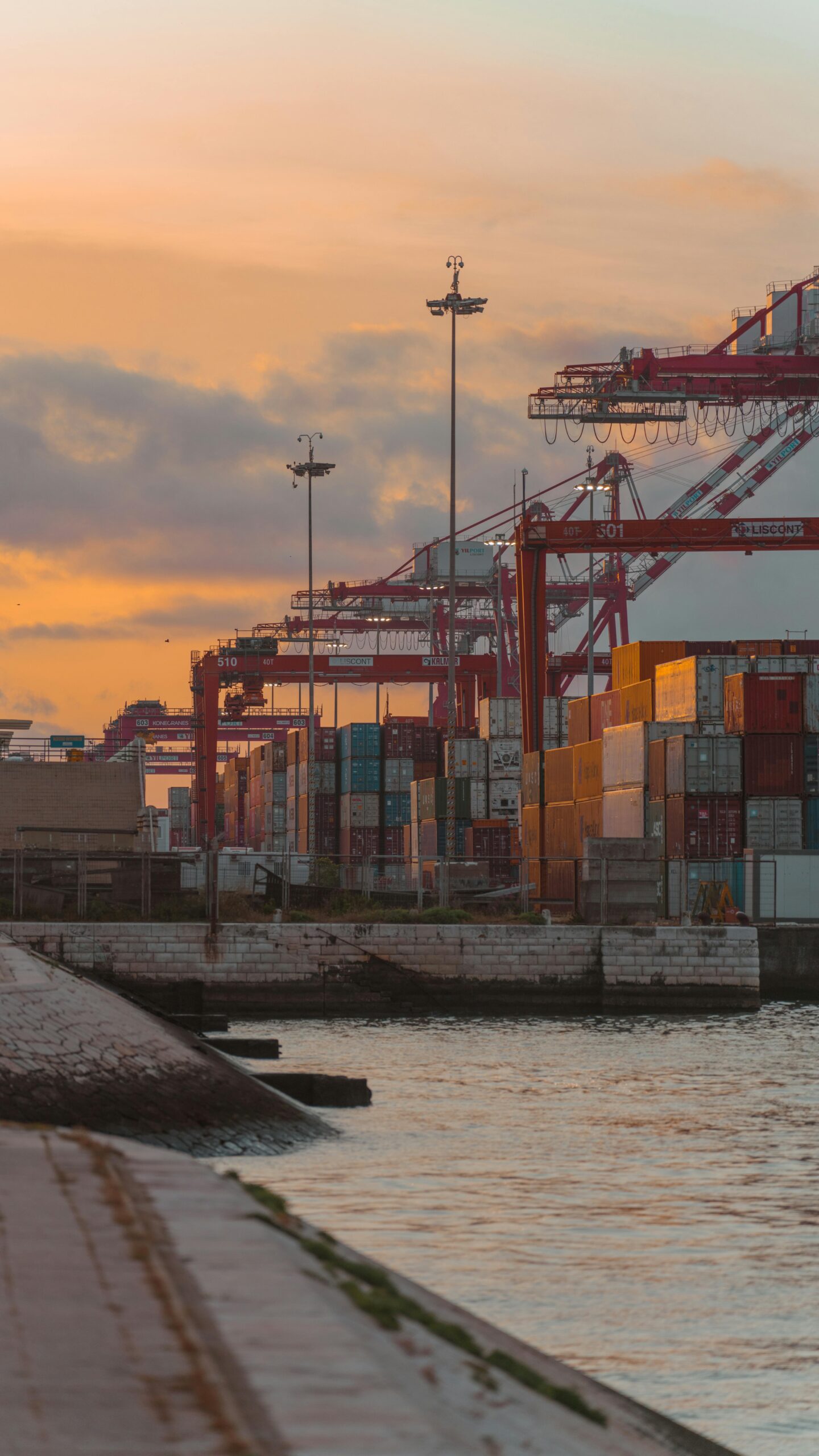
The global supply chain disruptions that paralyzed commerce during the pandemic exposed a vulnerability so fundamental that it has triggered a wholesale rethinking of how goods move around the world. Corporations that had spent decades optimizing their supply chains for cost efficiency discovered, painfully, that the lean inventories and single-source dependencies that minimized expenses in normal times created catastrophic fragility when disruptions occurred. The response has been a massive investment in supply chain intelligence: systems that use artificial intelligence, satellite monitoring, and vast networks of sensors to create real-time visibility into global logistics networks and predict disruptions before they cascade into shortages.
The technology enabling this transformation combines data sources that would have been unimaginable a decade ago. Commercial satellite imagery tracks shipping traffic at every port on Earth, identifying congestion patterns and unusual vessel movements that precede supply disruptions. Sensors embedded in shipping containers monitor the location, temperature, humidity, and vibration exposure of goods in transit, providing continuous updates on the condition and whereabouts of individual shipments. Social media analysis in multiple languages detects early signs of labor unrest, political instability, and natural disasters that could affect production facilities or transportation routes. Weather prediction models of increasing sophistication provide advance warning of storms, floods, and droughts that threaten supply chain continuity.
Artificial intelligence algorithms synthesize these diverse data streams into actionable intelligence that allows supply chain managers to anticipate and mitigate disruptions rather than merely react to them. The most advanced systems can predict port congestion weeks in advance with accuracy rates exceeding ninety percent, allowing companies to reroute shipments around bottlenecks before delays accumulate. They can identify when a supplier’s financial health is deteriorating, signaling potential production disruptions, and recommend alternative sources before a critical component becomes unavailable. They can model the cascading effects of a disruption at any point in a complex supply network, helping managers understand which of hundreds of interconnected risks deserve immediate attention.
The financial implications of improved supply chain intelligence are substantial. Companies that deploy these systems report significant reductions in inventory carrying costs, as improved visibility and prediction allow them to maintain leaner stocks without the risk of stockouts that previously accompanied just-in-time strategies. They experience fewer production shutdowns caused by component shortages, fewer expedited shipping charges incurred to compensate for delayed deliveries, and fewer lost sales resulting from empty shelves. The return on investment in supply chain intelligence technology typically exceeds the initial expenditure within the first year of deployment, making it one of the most financially attractive technology investments available to global businesses.
The geopolitical dimensions of supply chain intelligence are equally significant. Nations that possess superior visibility into global supply networks gain strategic advantages in trade negotiations, economic competition, and the management of sanctions regimes. The ability to track the movement of critical materials, components, and finished goods in real time provides intelligence agencies with information that was previously available only through expensive and often unreliable human source networks. As competition for critical minerals, semiconductors, and other strategically important goods intensifies, the nations and corporations that invest most aggressively in supply chain intelligence will possess decisive advantages in the emerging era of economic great power competition.