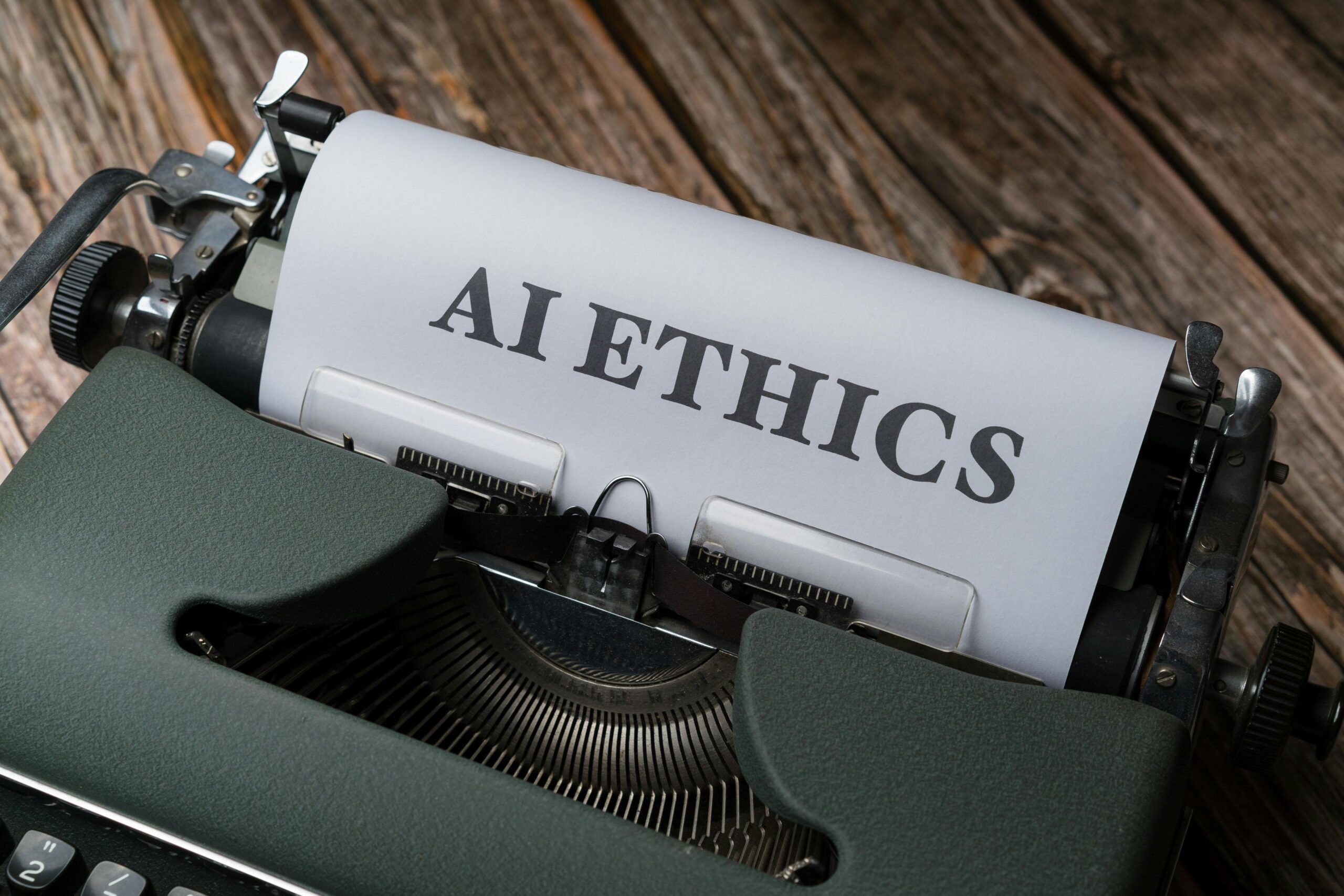

Article 1 — TechnologyThe EU’s Bold New AI Rulebook Is Already Reshaping Silicon ValleyMay 15, 2026
When the European Union passed its sweeping AI Act two years ago, skeptics on both sides of the Atlantic dismissed it as bureaucratic overreach — a pile of paperwork that would slow innovation without making anyone meaningfully safer. Now, with the first wave of enforcement deadlines firmly behind us, the picture looks a lot more complicated, and a lot more interesting, than anyone predicted.
The short version: the rules are working, sort of, and companies are scrambling.
Major tech firms — including several based in California — have quietly restructured entire product teams to comply with the EU’s tiered risk framework. High-risk AI systems, defined broadly to include anything touching employment decisions, credit scoring, and critical infrastructure, now require documented human oversight procedures, audit trails, and regular bias assessments. For companies that had been shipping models with minimal scrutiny, that is a significant operational shift.
“It’s not that the technology changed,” said one senior engineer at a midsize AI startup based in San Francisco, who asked not to be named because they weren’t authorized to speak to press. “It’s that we had to actually sit down and document what our system was doing and why. That process surfaced assumptions we hadn’t examined in years.”
That kind of reflexive self-examination is exactly what regulators intended. But the compliance burden has not fallen evenly. Large companies with dedicated legal and policy teams — think the Googles and Metas of the world — have largely absorbed the costs without breaking stride. Smaller startups, particularly those serving European markets without deep pockets, have found the requirements genuinely punishing. Several have pulled products from EU markets entirely rather than face the overhead.
The geopolitical dimension has added another layer of complexity. The EU’s rules have become a de facto global standard in ways their authors may not have fully anticipated. Because multinational companies generally don’t want to maintain separate product versions for different regulatory environments, many have simply applied EU-level compliance standards worldwide. American consumer advocacy groups, who have spent years pushing for similar federal legislation in the US with little success, now find themselves in the peculiar position of benefiting from European regulation by proxy.
Congress has taken notice. A bipartisan AI accountability bill — narrower in scope than the EU framework but notable for having any scope at all — passed committee last month and is expected to reach the floor before the summer recess. Its sponsors are careful not to describe it as catching up to Europe, but the legislative timeline suggests otherwise.
Not everyone is happy with where things are heading. Civil liberties organizations have raised concerns that the EU model, for all its procedural safeguards, still permits uses of AI in law enforcement that they consider fundamentally incompatible with human rights. Facial recognition in public spaces, for instance, is restricted under the EU framework but not banned outright.
What is clear is that the era of shipping AI products first and asking questions later is ending — not because companies have grown consciences, necessarily, but because the regulatory environment now demands answers before launch. Whether that produces genuinely safer systems or merely better-documented ones remains an open question.
For now, the rulebook exists, the deadlines are real, and Silicon Valley is learning to read it.