
# Mediterranean Diet: The Gold Standard of Healthy Eating Explained
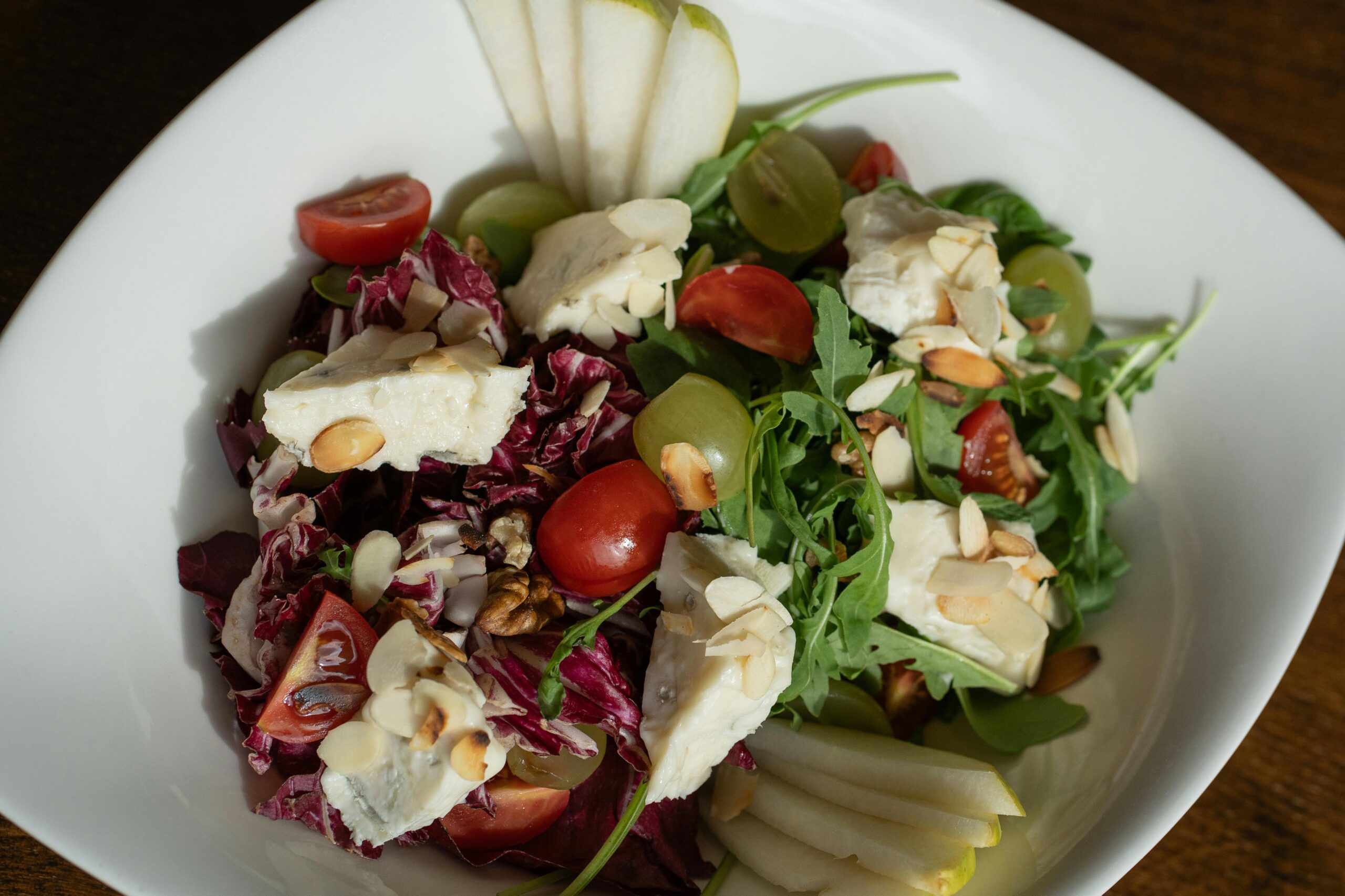
Amid the endless noise of competing diet trends — keto, carnivore, raw vegan, intermittent fasting — one way of eating has quietly accumulated something the others mostly lack: serious, consistent scientific backing. The Mediterranean diet, built around vegetables, legumes, whole grains, fruits, nuts, and olive oil, with moderate amounts of fish and seafood, modest dairy and poultry, and very little red or processed meat, has been linked in dozens of large-scale studies to dramatically lower risks of cardiovascular disease, type 2 diabetes, cognitive decline, and early death.
The most compelling evidence comes from the landmark PREDIMED trial, run across multiple Spanish clinical centres with over seven thousand participants who were already at high cardiovascular risk. Those who followed a Mediterranean diet supplemented with either extra-virgin olive oil or mixed nuts cut their risk of major cardiovascular events by roughly thirty percent compared to a control group eating a low-fat diet. That’s a result comparable to — or better than — what many pharmaceutical drugs achieve, without the side effects and at a fraction of the cost. A follow-up study, PREDIMED-Plus, layered in caloric restriction and physical activity alongside the dietary changes and found even stronger improvements in cardiovascular and metabolic health.
Why does this diet work so well? The reasons are numerous and mutually reinforcing. Extra-virgin olive oil is packed with oleocanthal, a phenolic compound with anti-inflammatory properties similar to ibuprofen, plus oleic acid and other phenolics that protect LDL cholesterol from oxidation and appear to fight inflammation at the cellular level. The omega-3 fatty acids from fish and seafood support heart health, reduce systemic inflammation, and seem to offer some protection against cognitive decline and depression. And the sheer volume of dietary fibre from vegetables, legumes, and whole grains feeds a diverse, thriving gut microbiome — something researchers increasingly recognise as central to both metabolic and immune health.
What often gets overlooked, though, is everything that surrounds the food itself. Traditional Mediterranean eating is communal and unhurried. Meals are social events, woven into daily life rather than squeezed between obligations. That pace matters — eating slowly gives satiety signals time to register before overeating kicks in, and sharing meals with others carries its own wellbeing benefits that no supplement can replicate. Reducing this rich cultural practice to a grocery list or a pill misses the point entirely.
Genuinely adopting this way of eating within a modern Western lifestyle takes real effort. Adding a drizzle of olive oil to an otherwise unchanged diet, or ordering grilled salmon once a week, won’t cut it. The shift involves replacing all other cooking fats with extra-virgin olive oil, dramatically increasing vegetable intake at every meal, swapping refined grains for whole grains and legumes, and treating red and processed meat as an occasional indulgence rather than a daily staple. These are meaningful changes that demand real commitment. The evidence, however, is about as clear as nutrition science ever gets — for most people, making them is one of the smartest health investments they can make.