

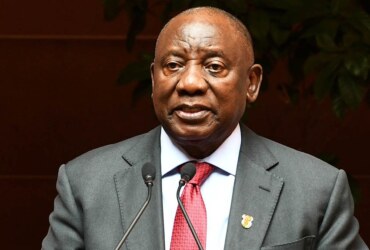
Matamela Cyril Ramaphosa was born on November 17, 1952, in Soweto, South Africa — a township that ...




Olympic Games: Legacy and Impact
admin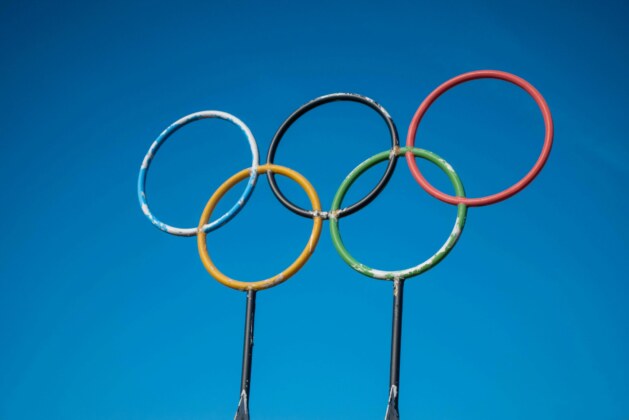
Olympic Games: Legacy and Impact
The Olympics are unlike anything else on earth — a global gathering of athletic excellence wrapped in ceremony, national pride, and genuine human drama. But beneath the opening spectacle and the medal tallies sits a far messier reality: enormous financial gambles, communities uprooted from their homes, and host cities still paying the bills long after the torch has been extinguished.
Host cities pour staggering sums into venues, housing, and transport networks, and sometimes those investments genuinely deliver. Beijing’s infrastructure push, Rio’s expanded transit systems, Tokyo’s urban renewal — these left real, lasting marks on their cities. The catch is that “sometimes” carries a lot of weight. Purpose-built stadiums have a persistent habit of becoming expensive, echoing monuments to a two-week party once the closing ceremony ends. The line between a useful Olympic legacy and a collection of crumbling facilities usually comes down to whether planners were designing for the city or designing for the games. The hosts who get it right treat Olympic venues as pieces of a larger urban plan, not standalone showpieces built to impress a global audience and then quietly abandoned.
The financial picture is, frankly, sobering. Cost overruns aren’t the exception — they’re practically a tradition. Montreal spent the better part of three decades paying off its Olympic debt. Rio’s economic struggles after 2016 were sharpened by overextended Olympic spending. When public money floods into construction on this scale, it drains away from hospitals, schools, and social services. Poorer cities feel that trade-off most sharply. The recent shift toward shared venues and existing facilities shows encouraging pragmatism, but any city considering a bid still deserves an honest reckoning with the numbers before putting pen to paper.
There’s also a human cost that tends to get swallowed by the celebratory coverage. Clearing land for Olympic development regularly displaces the people least equipped to absorb that kind of disruption. Rio’s favela demolitions before the 2016 games were a brutal illustration — thousands of poor residents pushed out with little support and nowhere adequate to go. This isn’t some unavoidable side effect of hosting; it’s a policy choice. Strong tenant protections and genuine relocation support can limit the damage, though balancing the demands of new venues against the need to preserve existing communities is rarely straightforward.
Environmental consequences follow a similar pattern of mixed results. Tokyo and Rio both confronted serious water pollution concerns. Construction in ecologically sensitive areas caused measurable habitat damage. Yet Olympic preparation has also driven real environmental gains — water treatment upgrades, urban greening initiatives — that might never have happened without the deadline pressure of a Games. The difference is almost always planning. Cities that build environmental commitments into the process from the start tend to fare considerably better than those treating sustainability as a box to tick at the end.
None of this adds up to an argument that the Olympics aren’t worth hosting. The global platform, the athletic inspiration, the sense of civic pride that descends on a city — those things are real and they matter. But they don’t erase the risks. The cities that get the most from the experience are those that treat the Games as one chapter in a longer story of development, not a singular event to be endured and survived. That’s the model worth following.


Leave a comment